Mentorship
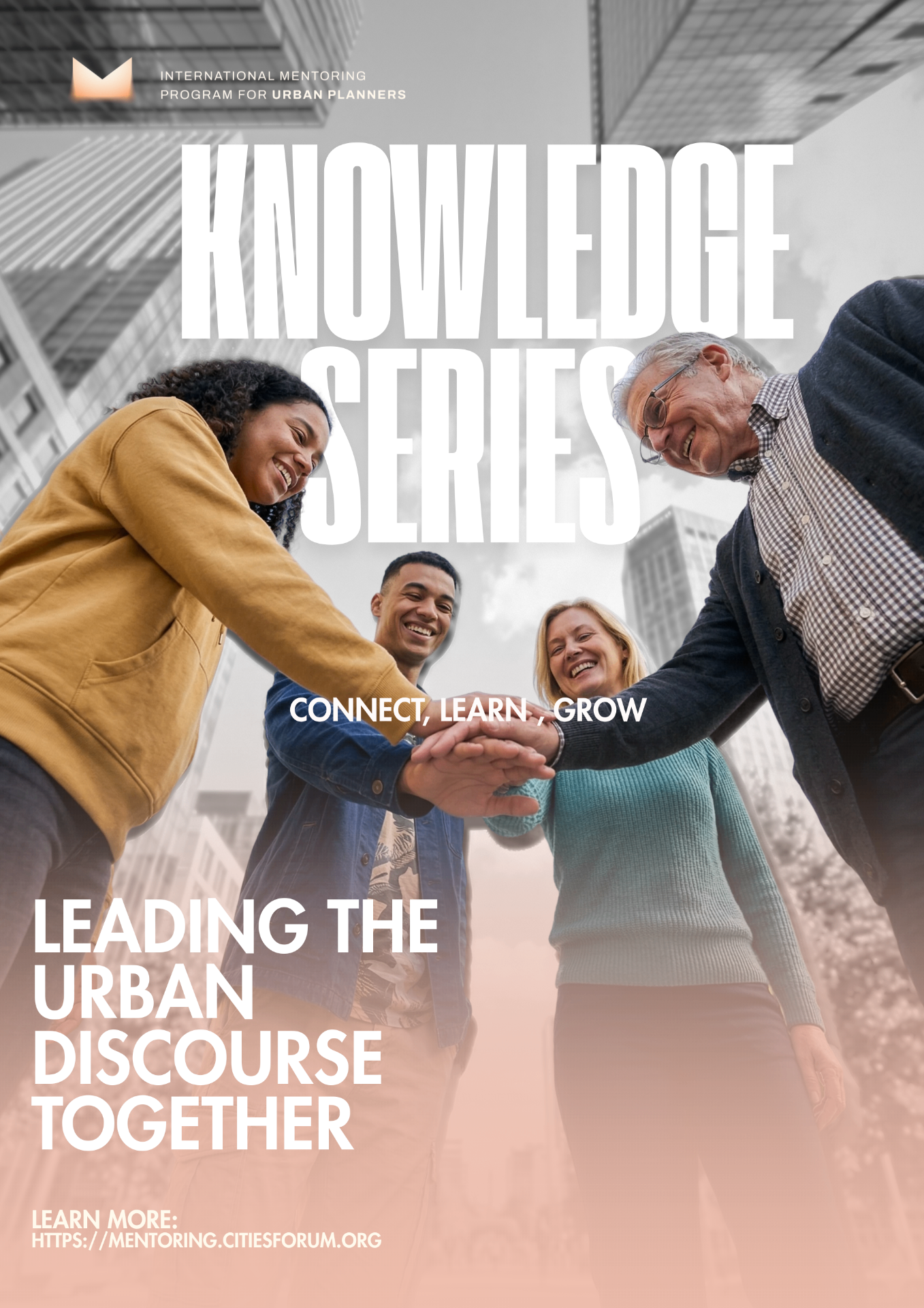
Knowledge Series
Co-authored Publications and Articles by Mentors and Mentees. Spark collaboration through structured knowledge outputs accessible to the global urban planning community.
Overview
As part of the International Mentoring Program for Urban Planners, Cities Forum is launching the Mentorship Knowledge Series, an initiative to spark collaboration within this community through structured publications and articles of shared interest that represent publicly accessible knowledge outputs.
The initiative will support mentors and mentees in co-authoring articles and collaborative publications addressing key challenges, innovations, and lessons from practice in urban planning and sustainable urban development.

Konrad O-Z.
Mentor
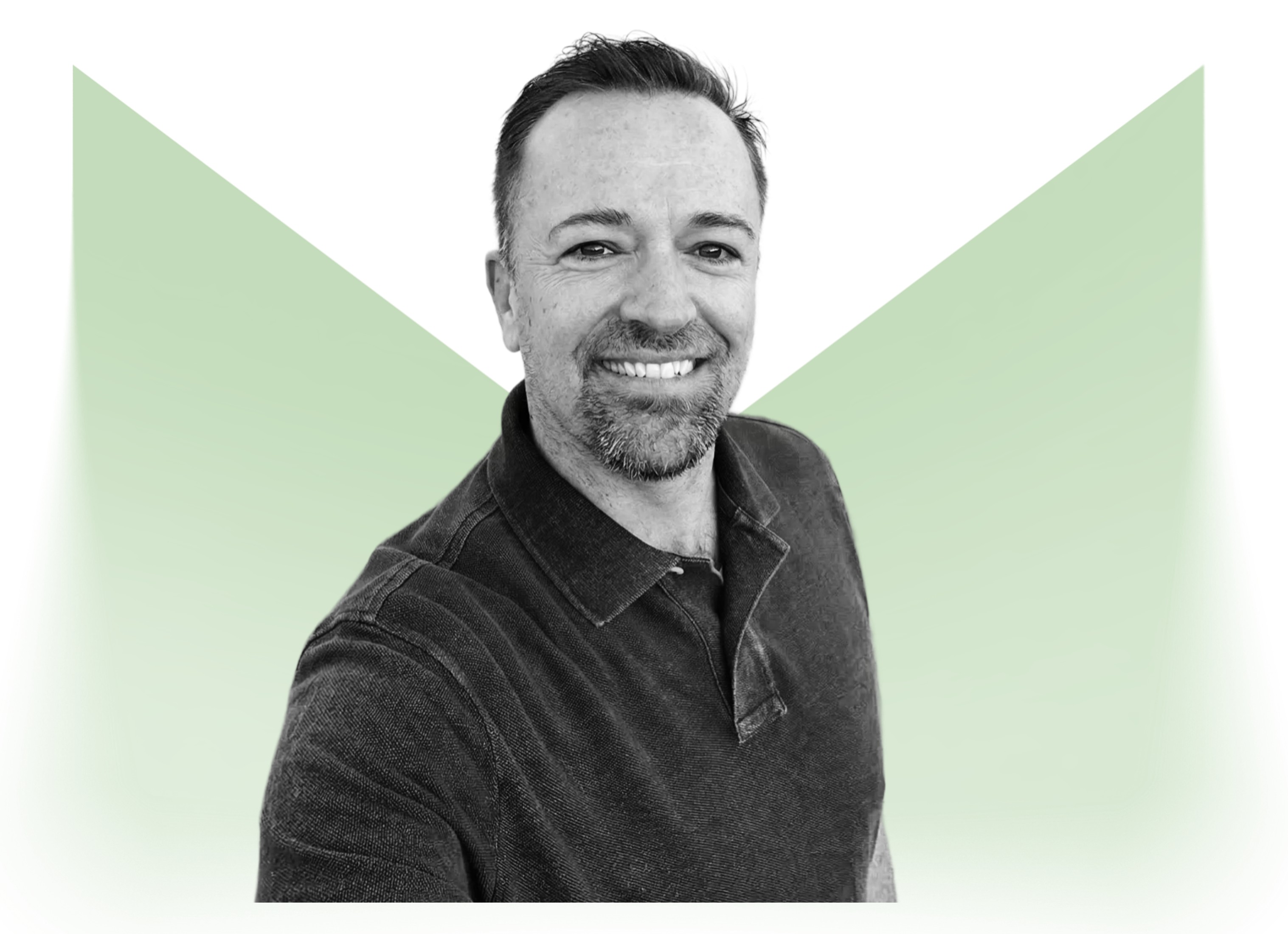
Jason T.
Mentee
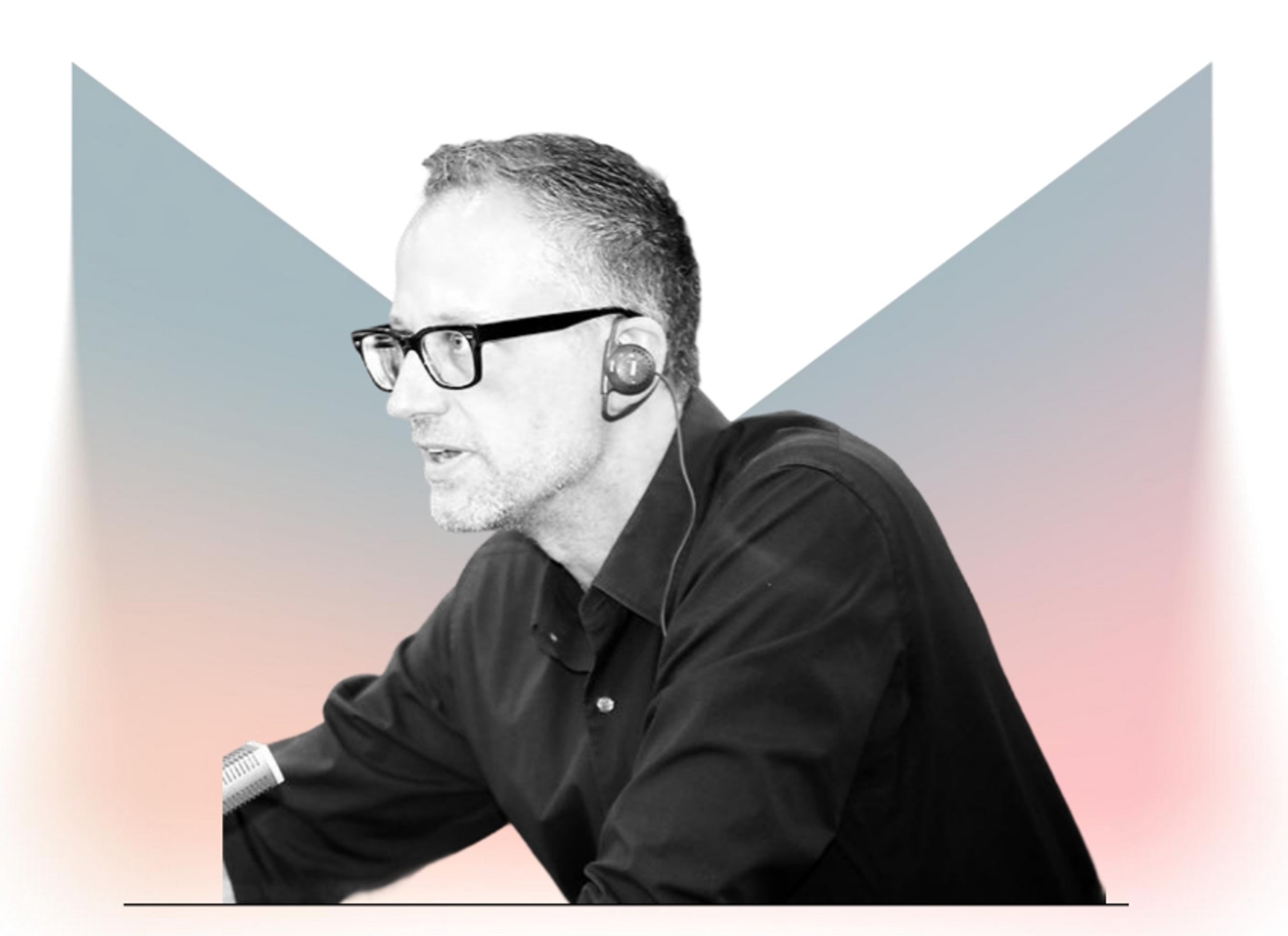
Jeffrey S.
Mentor

Zayneb H.
Mentee

Ludo C-R.
Mentor

Valentina G.
Mentee

Judy B.
Mentor
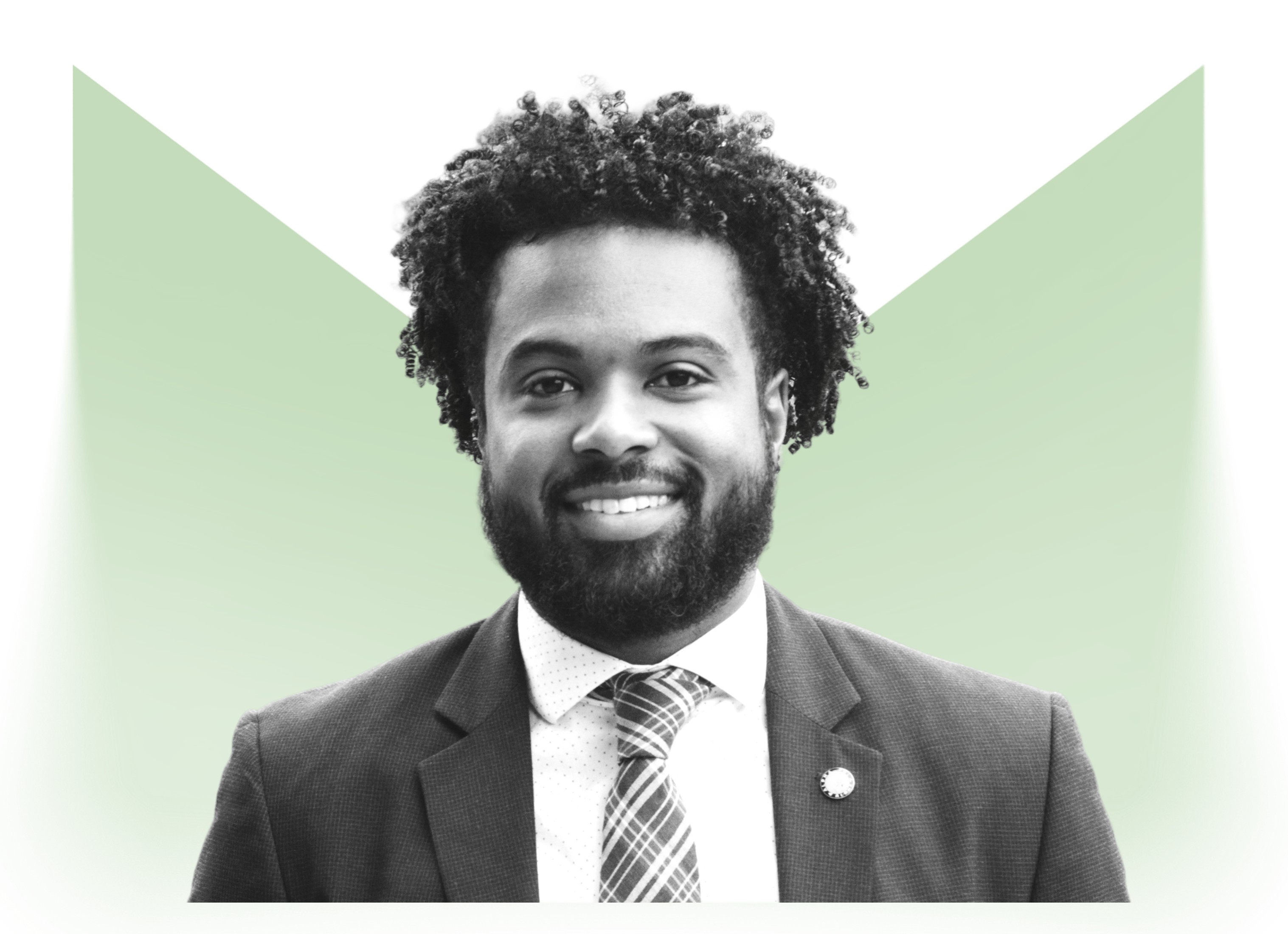
Michael E.
Mentee
These outputs aim to contribute to global discussions on cities while strengthening the professional visibility of both mentors and mentees. All selected contributions will be disseminated through Cities Forum knowledge platforms, including the website, LinkedIn, Substack, and Medium.
Two Ways to Contribute
Two formats are proposed to encourage flexible participation.
Format 1 Collaborative Publications
Extended thematic publications developed by a small group of contributors exploring a specific topic in greater depth.
The lead author coordinates the publication process, including structure development, contributions from co-authors, and submission to Cities Forum. The lead author will receive a remuneration of €200.
Format 2 Insight Articles
Short practitioner-oriented articles highlighting insights, experiences, or perspectives on specific urban challenges.
Collaboration Opportunities
Connect & Explore
Mentors and mentees are encouraged to connect through the mentoring platform to explore shared interests and find collaboration opportunities.
Team Up & Publish
Team up on a topic of mutual interest to co-write a publication or article. Mentors may also collaborate with their organizations to produce joint publications with Cities Forum.
Amplify Your Impact
Increase the visibility of your work while contributing to the broader knowledge ecosystem. Founders, consultants, and practitioners all benefit from shared expertise.
Topics to Explore
Below are five broad thematic areas with suggested topics to inspire your contribution. These are just starting points you are free to propose your own topic within or beyond these areas. We encourage creativity and flexibility!
Climate & Resilient Cities
- Climate adaptation strategies for fast-growing cities
- Integrating nature-based solutions in urban planning
- Designing cities for extreme heat
- Coastal cities and resilience planning
- Planning for climate migration
Urban Mobility & Accessibility
- The future of public transport in emerging cities
- Lessons from implementing transit-oriented development
- Designing cities for walking and cycling
- Mobility innovation in mid-size cities
- Inclusive mobility for women, elderly, and children
Digital Urbanism & Data
- How AI may change urban planning practice
- Digital twins and data-driven cities
- Using GIS for participatory urban planning
- Smart cities beyond technology hype
- Ethical challenges of data-driven planning
Inclusive & Socially Just Cities
- Gender-sensitive urban planning
- Designing safe public spaces
- Informal settlements and upgrading strategies
- Participatory planning approaches that actually work
- Housing affordability and urban inequality
Future of Urban Planning Practice
- Skills the next generation of urban planners need
- Interdisciplinary collaboration in complex urban projects
- Translating global planning ideas into local realities
- Lessons from failed urban projects
- Career pathways in international urban development
Publications underway
A live look at the 20 articles and publications currently being co-authored by mentors and mentees. Click any title to expand.
1
Just transition, just for whom? Community participation in green urban regeneration
Insightful Article
Initiated
Just transition, just for whom? Community participation in green urban regeneration
Coordinator
Luisa Fernanda Alcocer Rubio (Mentee)
Authors & collaborators
Dayana Al Alam (Mentor), Luisa Fernanda Alcocer Rubio (Mentee)
Abstract
Exploring how green urban development risks deepening inequality when participation is performative and sustainability is indexed.
2
Explaining public transportation perceived quality of service in intermediate cities of Peru
Insightful Article
In-Progress
Explaining public transportation perceived quality of service in intermediate cities of Peru
Coordinator
Cesar Simborth (Mentor)
Authors & collaborators
Cesar Simborth (Mentor), Jagriti Arora (Mentee)
Abstract
The article focuses on understanding the quality of service criteria which explains current public transportation management and operation in intermediate cities of Peru.
3
Explaining urban mobility integral reforms challenges in intermediate cities of Peru
Insightful Article
In-Progress
Explaining urban mobility integral reforms challenges in intermediate cities of Peru
Coordinator
Cesar Simborth (Mentor)
Authors & collaborators
Cesar Simborth (Mentor), Jagriti Arora (Mentee)
Abstract
The article focuses on understanding the challenges which explains current urban mobility achievements and failures in long term urban mobility reform processes in intermediate cities of Peru.
4
Urban Codes in Fragmented and Hybrid City-Making
Insightful Article
First Draft Submitted / Revising
Urban Codes in Fragmented and Hybrid City-Making
Coordinator
Gabriela Fontanals (Mentor)
Authors & collaborators
Gabriela Fontanals (Mentor), Ghadeer Alaliwie (Mentee)
Abstract
Urban codes define the shared spatial and physical structure of the city under phased, multi-actor, and hybrid development processes. They establish the common relationships that allow separate projects to build the same street structure, edge condition, and public realm. Al Ahsa provides an applied reference for this relation between code, climate, and implementation under demanding urban conditions.
5
Land as a System: Where Urban Policy Meets Economic Reality
Insightful Article
First Draft Submitted / Revising
Land as a System: Where Urban Policy Meets Economic Reality
Coordinator
Patricia Giménez Franco (Mentor)
Authors & collaborators
Patricia Giménez Franco (Mentor), Yoana Pirotska (Mentee)
Abstract
This article examines land management as the critical interface where urban policy and economic processes converge, arguing for a more integrated approach to align policy objectives with territorial realities.
6
Same Policies, Different Cities: Understanding Divergent Urban Outcomes
Insightful Article
First Draft Submitted / Revising
Same Policies, Different Cities: Understanding Divergent Urban Outcomes
Coordinator
Patricia Giménez Franco (Mentor)
Authors & collaborators
Patricia Giménez Franco (Mentor), Yoana Pirotska (Mentee)
Abstract
This article explores why similar urban policies and financial instruments produce different outcomes across cities, shaped by territorial and institutional contexts including governance capacity and stakeholder incentives.
7
Culture as Urban Identity: How Heritage and Cultural Institutions Shape Cities
Insightful Article
In-Progress
Culture as Urban Identity: How Heritage and Cultural Institutions Shape Cities
Coordinator
Prasenjit Shukla (Mentor)
Authors & collaborators
Prasenjit Shukla (Mentor), Jasmine Kaur (Mentee)
Abstract
Explores how cultural institutions, museums and heritage-based public spaces intersect with urban planning to construct a distinct urban identity, arguing that intangible heritage is embedded within public life, streetscapes, neighborhoods, and cultural institutions.
8
Listening as a Planning Tool: Why Empathy and Community Voice Matter in Shaping Just Cities
Publication
Initiated
Listening as a Planning Tool: Why Empathy and Community Voice Matter in Shaping Just Cities
Coordinator
Sneha Ajayan (Mentee)
Authors & collaborators
Meeta Goel (Mentor), Sneha Ajayan (Mentee), Wendy Tsoriyo (Mentee), Ricky Wijaya Umar (Mentee)
Abstract
This paper argues that listening and empathy should be recognized as critical tools in the planning process, particularly when addressing the needs of marginalized communities — calling for a more human-centered planning approach that prioritizes dignity, inclusion, and long-term community well-being.
9
Is mobility planning and transport planning the same?
Publication
Initiated
Is mobility planning and transport planning the same?
Coordinator
Ana Gaby Chavez (Mentee)
Authors & collaborators
Maria Natalia Paulino Araujo Alcantara (Mentor), Ana Gaby Chavez (Mentee), Francis Attikpo-Magloe (Mentee)
Abstract
Reconceptualizing the shift from transport planning to mobility planning, arguing for a paradigm that centers accessibility, multimodality, and human experience and aligns infrastructure investment with social equity goals.
10
Informality as Infrastructure: Rethinking Social Sustainability in Latin American Cities
Publication
Initiated
Informality as Infrastructure: Rethinking Social Sustainability in Latin American Cities
Coordinator
Luisa Fernanda Alcocer Rubio (Mentee)
Authors & collaborators
Jashwanth Tej Kasala (Mentor), Luisa Fernanda Alcocer Rubio (Mentee), Marcos Rojas (Mentee), Falaknaaz Patni (Mentee), Valentina González (Mentee)
Abstract
An argument recognizing informal networks, economies and settlements not as problems to solve but as foundational assets in building socially sustainable cities.
11
How can urban planners best contribute to achieve Sustainable Urban Development Goals?
Publication
In-Progress
How can urban planners best contribute to achieve Sustainable Urban Development Goals?
Coordinator
Frank D'Hondt (Mentor)
Authors & collaborators
Frank D'Hondt (Mentor), Jonathan Jay Arreola (Mentee), Luisa Alcocer (Mentee), Nada Soliman (Mentee), Marcos Rojas (Mentee), Olivanta Mwenda (Mentee), Ricky Wijaya Umar (Mentee), Evelin Raico (Mentee)
Abstract
A collaborative article arguing that urban planners can most effectively contribute to sustainable urban development by adopting systems-based, participatory, and data-informed strategies that align local spatial planning with global sustainability targets — particularly SDG 11.
12
Compact cities — Sprawl Mitigation: dense, efficient, and sustainable urban development
Publication
Initiated
Compact cities — Sprawl Mitigation: dense, efficient, and sustainable urban development
Coordinator
Alexandru Matei (Mentor)
Authors & collaborators
Alexandru Matei (Mentor), Marina Kyriakou (Mentor), José Carpio-Pinedo (Mentor), Heba Ammar (Mentee), Evelin Raico (Mentee)
Abstract
Argues in favour of limiting sprawl and supporting balanced density in cities.
13
Municipal Planning and how it is shaping the communities
Publication
In-Progress
Municipal Planning and how it is shaping the communities
Coordinator
Jasmine Kaur (Mentee)
Authors & collaborators
Jasmine Kaur (Mentee), Ronika Postaria (Cities Forum), Alicia Baker (Mentee), Ana Torres (Mentee), Heba Ammar (Mentee)
Abstract
Policy developed at municipal level guided by State and stakeholders is shaping how our communities develop. Who should have a say? What parameters should be used? And how often should municipal goals be realigned with reality?
14
Towards resilient urban planning systems using the system thinking approach
Publication
In-Progress
Towards resilient urban planning systems using the system thinking approach
Coordinator
Didier Vancutsem (Mentor)
Authors & collaborators
Didier Vancutsem (Mentor), Tonia Vasile (Mentor), Amaia Celaya (Mentor), Nada Soliman (Mentee), Evelin Raico (Mentee), Luisa Alcocer Rubio (Mentee), Ricky Wijaya Umar (Mentee)
Abstract
Discusses the urgent need to transform planning systems and urban policies into resilient and coherent legal planning frameworks — including urban governance — by using the systems thinking approach.
15
The City That Plans Itself: What African Cities Teach Us About Informal Urban Intelligence
Publication
Initiated
The City That Plans Itself: What African Cities Teach Us About Informal Urban Intelligence
Coordinator
Joan Watetu Gachoki (Mentor)
Authors & collaborators
Joan Watetu Gachoki (Mentor), Wendy Tsoriyo (Mentee), Francis Attikpo-Magloe (Mentee)
Abstract
Beneath the narrative of informality and dysfunction, African cities continuously organise, adapt, and function through systems that exist outside formal planning frameworks — informal structures that often demonstrate efficiency, resilience, and responsiveness.
16
Urban Soul: Overcoming Urban Loneliness through Public Space Renewal
Publication
In-Progress
Urban Soul: Overcoming Urban Loneliness through Public Space Renewal
Coordinator
Milena Ivkovic (Mentor)
Authors & collaborators
Milena Ivkovic (Mentor), Jashwanth Tej Kasala (Mentor), Ronika Postaria (Cities Forum), Nada Soliman (Mentee), Darragh Grealy (Mentee)
Abstract
Addresses urban loneliness as one of the most pressing yet invisible challenges of contemporary cities, examining links between well-being, social 'third places' and the role of nature, and formulating science-based approaches for regreening public space through collaborative design.
17
Urban Resilience within Cities Facing both Conflict and Disaster Risk
Publication
Initiated
Urban Resilience within Cities Facing both Conflict and Disaster Risk
Coordinator
Nadeem Ahmed (Mentor)
Authors & collaborators
Nadeem Ahmed (Mentor), Amaia Celaya Alvarez (Mentor), Jayden Holmes (Mentee), Ghadeer Alaliwi (Mentee)
Abstract
Examines the usefulness of resilience as a unifying framework for cities facing both disaster and conflict risk, identifying opportunities and limitations of applying resilience concepts across these intersecting risks.
18
Planning and Governing Asia-Pacific Urban Futures — Framing a Planning Praxis in the World's Most Dynamic Urban Contexts
Publication
Initiated
Planning and Governing Asia-Pacific Urban Futures — Framing a Planning Praxis in the World's Most Dynamic Urban Contexts
Coordinator
Clinton Moore (Mentor)
Authors & collaborators
Clinton Moore (Mentor), Dinda Dewinta (Mentor), Gargi Roy (Mentor), Jagriti Arora (Mentee), Jayden Holmes (Mentee)
Abstract
Interviews leading planning academics and practitioners across Asia-Pacific to examine whether planning education, systems, tools, and mindsets are evolving fast enough to respond to accelerating risks — from climate shocks to informal growth and infrastructure strain.
19
Rethinking Slum Upgrading: Towards a multidimensional framework for socio-spatial integration — Lessons from the Global South
Publication
Initiated
Rethinking Slum Upgrading: Towards a multidimensional framework for socio-spatial integration — Lessons from the Global South
Coordinator
Bernadette Gordyn (Mentor)
Authors & collaborators
Bernadette Gordyn (Mentor), Jayden Holmes (Mentee)
Abstract
Drawing on Barrio 31 in Buenos Aires and comparable experiences across the Global South, examines socio-spatial integration as a multidimensional challenge encompassing morphological connectivity, economic inclusion, social access, environmental resilience, and symbolic recognition.
20
Bridging Urban Practice and Economic Thinking: A Political Economy Framework for Urban Development
Publication
In-Progress
Bridging Urban Practice and Economic Thinking: A Political Economy Framework for Urban Development
Coordinator
Patricia Giménez Franco (Mentor)
Authors & collaborators
Patricia Giménez Franco (Mentor), Prasenjit Shukla (Mentor), Yoana Pirotska (Mentee)
Abstract
Proposes an integrated framework to understand how urban development outcomes are shaped by the interaction between land governance, institutional structures, decision-making processes, public finance, and private investment.
Incentives for Contributors
Participants contributing to the Mentorship Knowledge Series will receive:
Author profile
On Cities Forum platform
LinkedIn promotion
Cities Forum channels
DOI / citation
Reference for the publication
Program report
Featured in Cities Forum report
€200 remuneration
For lead authors of extended publications
Madrid stage
Present at the closing conference, 21 May 2026
These incentives aim to recognize contributors while enhancing their professional visibility within the global urban planning community.
Ethical Guidelines
Authors are expected to respect academic and professional integrity when preparing contributions.
Properly cite references and sources
Avoid plagiarism and copyright infringement
Ensure permission for any third-party materials used
Cities Forum reserves the right to conduct editorial review and request revisions where necessary.
Ready to Contribute?
Join fellow mentors and mentees in co-authoring publications that shape the future of urban planning. Express your interest and start collaborating today.
Express your interest at mentoring@citiesforum.org